
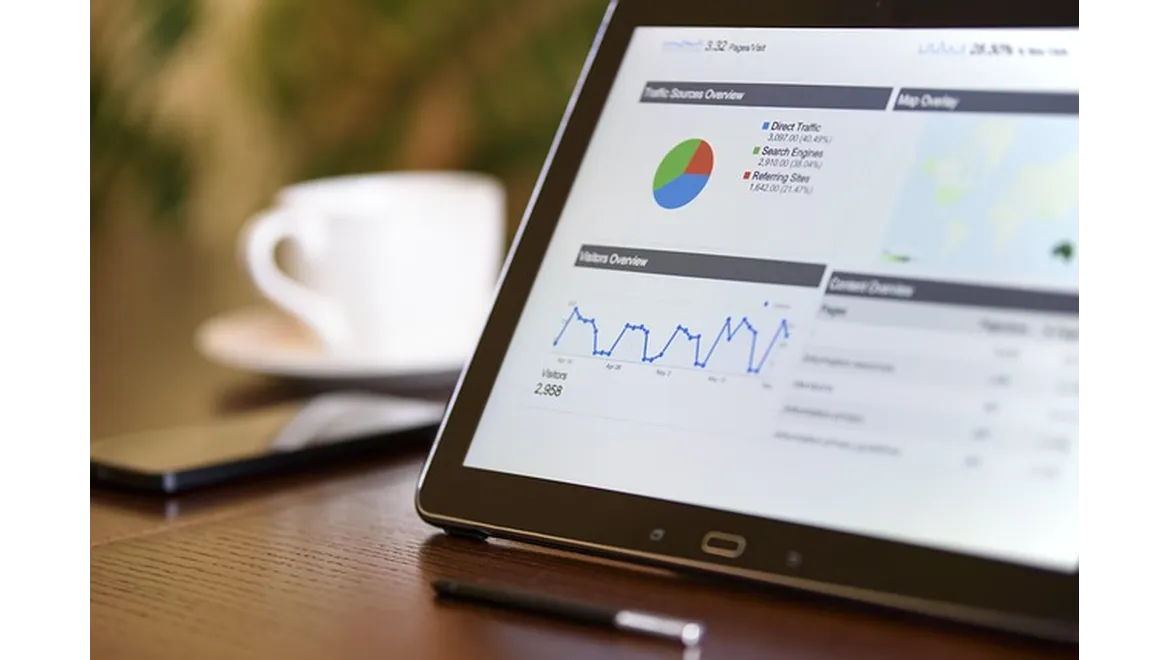
Right, let’s talk about something crucial for any token founder dipping their toes into the influencer marketing pool: data. Not just any data, mind you, but the kind that transforms vague hopes into tangible results. Forget the fluffy advice you’ve heard a million times. We’re diving deep into how data analytics can make or break your token launch through social influencers.
My experience writing about this has been an eye-opener, to say the least. Initially, influencer marketing seemed like a black box – throw money at a popular face and hope for the best. But the more I researched and wrote, the clearer it became: data is the compass guiding you to success.
Selecting Your Influencer Dream Team: Beyond Follower Count
The first, and arguably most critical, step is influencer selection. Throwing money at someone with millions of followers is not a guarantee of success. That’s vanity metrics at its finest. What you need is relevance and alignment. So how do you find that? Data, plain and simple.
-
Social Listening Tools: The Voice of Your Audience: Think of tools like Brandwatch, Mention, or even more budget-friendly options like Talkwalker Alerts as your ears on the ground. Use them to track mentions of your token, related keywords (think DeFi, crypto, NFTs, etc.), and your competitors. These tools reveal who’s already talking about these topics, their sentiment (positive, negative, or neutral), and the platforms they’re using.
You’re looking for influencers who genuinely engage with your target audience and whose values align with your project. For example, if you’re launching a green token, someone promoting unsustainable practices is a massive red flag, regardless of their follower count.
-
Audience Demographics: Know Thy Customer: Once you’ve identified potential influencers, dig deeper. Most platforms provide audience demographic data (age, location, interests). Does their audience overlap with your ideal token holder? If your token is aimed at Gen Z investors in Southeast Asia, an influencer primarily followed by Baby Boomers in North America is a poor fit, no matter how charismatic they are. Use third-party tools like SparkToro, which allow you to analyse the audience of any account.
-
Engagement Rates: The Quality Over Quantity Debate: Don’t just look at follower count; analyse engagement rates (likes, comments, shares). A smaller influencer with a highly engaged audience might be more effective than a mega-influencer with low interaction. Calculate the engagement rate by dividing the total engagement (likes, comments, shares) by the number of followers and multiplying by 100. Aim for influencers with engagement rates consistently above 2-3%. It’s important to check that engagement is genuine and not bot-driven.
Optimising Your Campaign: From Launch to Long-Term Growth
Selecting the right influencers is only half the battle. You need to continuously monitor and optimise your campaign based on data feedback.
-
Sentiment Analysis: Gauging the Mood: Social listening tools aren’t just for influencer discovery; they’re also crucial for tracking sentiment throughout the campaign. Are people reacting positively to the influencer’s content? Are they understanding the value proposition of your token? Negative sentiment indicates a need to adjust the messaging or even reconsider the influencer.
-
Competitor Analysis: Learning from the Best (and the Worst): What are your competitors doing with influencer marketing? Which influencers are they using? What kind of content are they creating? Use social listening tools to track their campaigns, analyse their results (engagement, sentiment), and identify successful (and unsuccessful) strategies. Don’t copy them blindly, but learn from their experiences and adapt their tactics to your own campaign.
-
Predictive Analytics: Foretelling the Future (Sort Of): This is where things get interesting. Using historical data, you can use predictive analytics to forecast campaign performance. Tools like Google Analytics, combined with data from your social media platforms, can help you estimate the potential reach, engagement, and even token sales generated by your influencer campaigns. Be realistic, though. Predictive analytics is not a crystal ball, but it can provide valuable insights for optimising your budget and targeting.
-
A/B Testing: The Scientific Approach: Don’t be afraid to experiment. Test different messaging, content formats, and even influencers with smaller segments of your audience. Track the results and use the data to refine your approach for the broader campaign.
This journey through the data landscape of influencer marketing reveals a clear path. It shows us that understanding audience sentiment, dissecting competitor strategies, and predicting campaign performance isn’t just a ‘nice-to-have’ – it’s the bedrock upon which successful token launches are built. Forget blindly trusting popularity; instead, lean into the power of analytics to ensure your influencer partnerships are strategic, targeted, and ultimately, drive the results you need. That’s how you transform potential flops into resounding triumphs.