
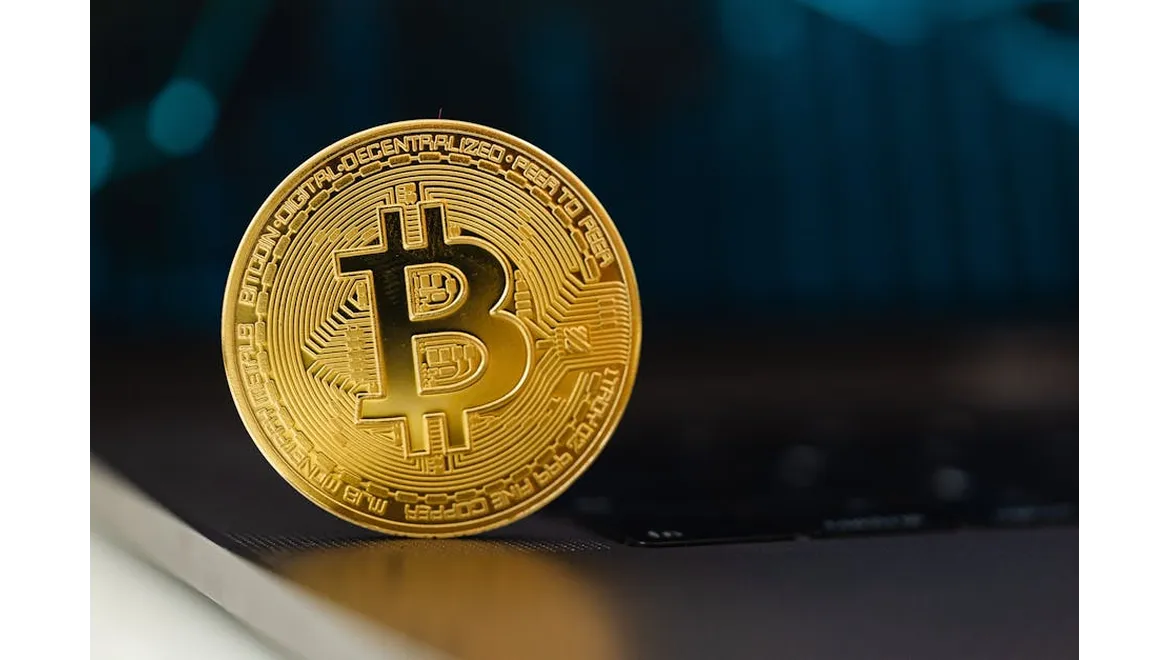
Right, so you’re launching a token. Exciting times! But let’s be real, the crypto world isn’t the Wild West anymore. The regulators are watching, and they’re particularly keen on how you’re using influencers to hype your project. I’ve been diving deep into ‘Regulatory Compliance and Influencer Marketing: Navigating the Legal Landscape of Crypto Promotions’ – basically, how to make sure your influencer campaigns don’t land you in legal hot water. To get a clearer picture, I had a chat with Taylor, a legal expert specialising in crypto, and here’s what I learned.
Disclosure, Disclosure, Disclosure
First up: Disclosure. Taylor was adamant about this. “Transparency is key,” she emphasised. “Influencers must clearly disclose their relationship with the token project. Think #Ad, #Sponsored, or #PaidPromotion. No ambiguity allowed!” This isn’t just good practice; it’s often legally required. The failure to disclose can lead to penalties from bodies like the Financial Conduct Authority (FCA) in the UK or the Securities and Exchange Commission (SEC) in the US, depending on the jurisdiction your influencer is broadcasting from and where your target audience resides.
Actionable tip: Incorporate a disclosure clause into your influencer contracts. Make it crystal clear that they are responsible for proper disclosure, and provide them with the correct wording to use. Monitor their posts to ensure compliance. Tools like social listening platforms can help automate this process.
Anti-Fraud Laws and Misleading Claims
Next, we talked about anti-fraud laws. This is where things get serious. “You can’t make misleading claims about your token,” Taylor warned. “Influencers are essentially acting as your mouthpiece, so you’re responsible for what they say.” This means no guaranteeing returns, no making baseless claims about the token’s future value, and no exaggerating its utility. Any claims must be substantiated with verifiable evidence.
Actionable Tip: Scrutinise influencer content before it goes live. Ensure claims are accurate and supported by evidence. If an influencer makes a dubious claim, correct it immediately. A well-written contract can also protect you. Include clauses that prohibit influencers from making false or misleading statements.
Jurisdictional Differences
Navigating different jurisdictions is like walking through a minefield. What’s acceptable in one country might be illegal in another. “Don’t assume that because something is legal in the US, it’s legal in the UK or Singapore,” Taylor pointed out. “Each jurisdiction has its own set of rules and regulations regarding crypto promotions.” For example, some countries have strict regulations on promoting tokens to retail investors, while others have stricter rules around advertising financial products to children.
Actionable Tip: Before launching a campaign, research the regulatory landscape in your target markets. Engage legal counsel in those jurisdictions to advise on compliance. Consider geoblocking influencer content to ensure it’s not viewed in jurisdictions where it would be illegal.
Contracts: Your Shield and Sword
Taylor kept hammering home the importance of solid contracts. “A well-drafted contract is your best defence,” she stated. It should clearly define the influencer’s responsibilities, including disclosure requirements, restrictions on making misleading claims, and compliance with applicable laws and regulations. It should also include indemnification clauses, protecting you from liability if the influencer breaches the contract.
Actionable Tip: Invest in a lawyer specialising in crypto and influencer marketing to draft your contracts. Include clauses that cover all the key areas discussed above. Ensure the contract outlines the consequences of non-compliance for both parties.
Aiding and Abetting: Token Founder Responsibility
Even if an influencer goes rogue, you could still be held responsible if you’re deemed to have aided and abetted their misconduct. This means you knew, or should have known, about the influencer’s actions and did nothing to stop them. “Token founders can’t just wash their hands of influencer misconduct,” Taylor stated firmly. “They have a responsibility to monitor their influencers and take action if they see something amiss.”
Actionable Tip: Implement a robust monitoring system for influencer content. Act promptly to correct any misleading or deceptive statements. Document your efforts to ensure compliance, demonstrating that you took reasonable steps to prevent misconduct.
So, what’s the takeaway? It boils down to three things: Transparency, Accuracy, and Responsibility. Be upfront about your relationships with influencers. Ensure all claims are accurate and substantiated. And take responsibility for your influencers’ actions. By doing so, you’ll significantly reduce your risk of regulatory scrutiny and ensure your token launch is a success – the right way. Fail to do so, and all of your efforts could be sunk by legal penalties, damaged reputations, and ultimately, the failure of your token launch. It’s a complex landscape, but armed with knowledge and a proactive approach, you can navigate it successfully.